
YOUR FIRST DAYS TOGETHER
The first 30 days with your rescue dog.
Bringing a dog home is exciting - but it can also come with a lot of questions.
This guide will help you know what to focus on, what can wait, and how to help your new dog feel safe, comfortable, and at home.
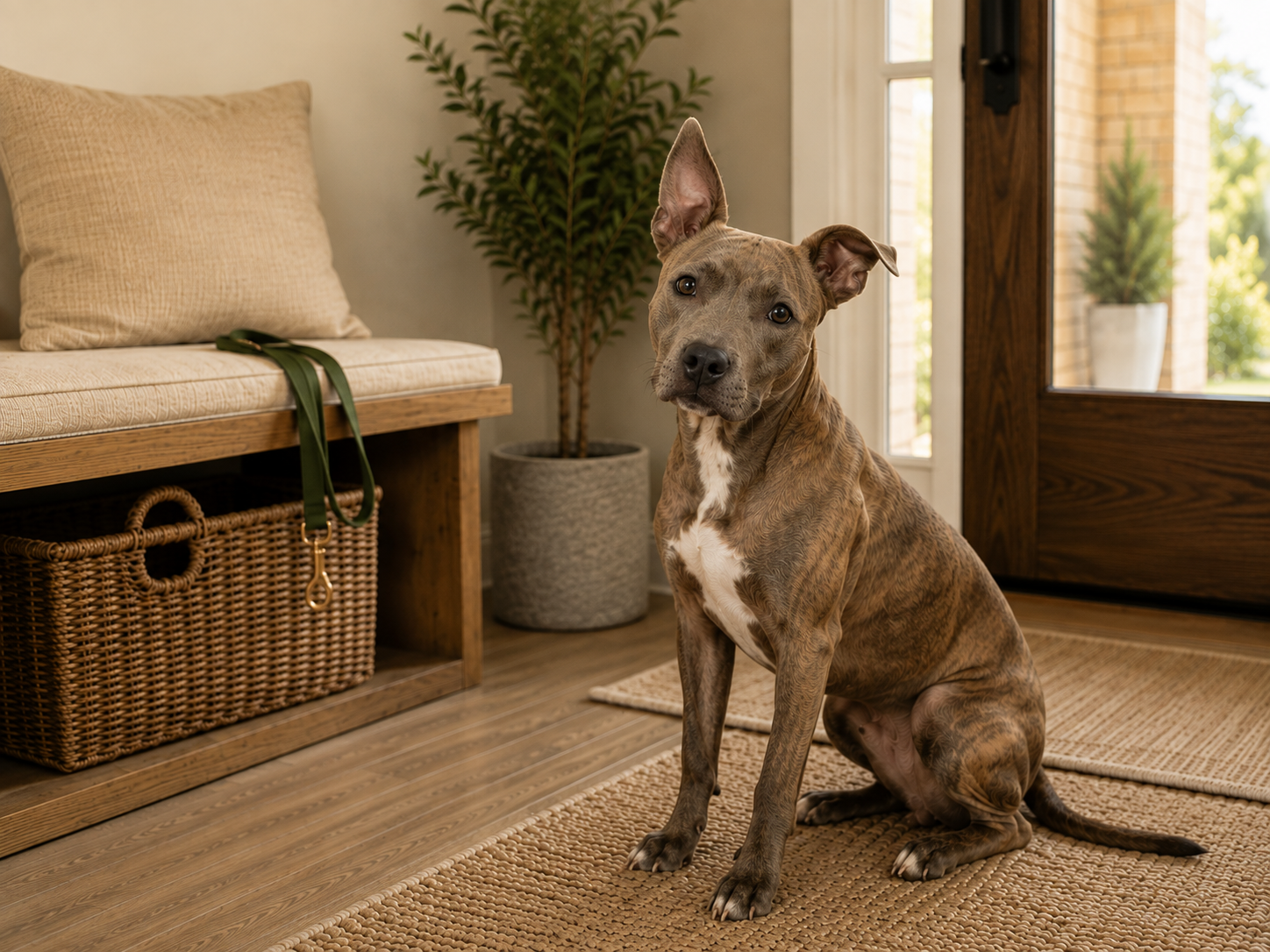
THE FIRST 72 HOURS
Keep their world small.
Your new dog doesn’t need to see everything, meet everyone, or learn every rule right away. Fort he first few days, the goal is much simpler: help them feel safe.
01 Give Them Space
Keep introductions and visitors to a minimum. Let your dog explore their new home gradually and at their own pace.
02 Keep Things Predictable
Use consistent meal, potty, walk, and bedtime routines. Predictability helps your dog begin to understand what happens next.
They don’t need to feel at home on day one.
Some dogs settle in quickly. Others need days, weeks, or even months. Give them time to learn that they are safe - and that this home is theirs, too.
03 Expect an Adjustment Period
Sleeping more, eating less, pacing, following you everywhere, hiding, or seeming unusually quiet can all happen during the transition.
DAYS 4-7
Start building a routine.
Once your dog has had a few quiet days to decompress, you can begin introducing more structure. A simple, predictable routine helps them understand their new world and start building confidence.
01 Meals
Feed around the same times each day. Consistency helps your dog learn what to expect and can make the transition easier.
03 Walks & Exercise
Start with short, low-pressure walks and gradually increase activity as your dog becomes more comfortable.
02 Potty Breaks
Take them out frequently and on a predictable schedule - especially after walking, eating, playing, and before bed.
04 Rest
Give them plenty of uninterrupted downtime. Even if they seem energetic, adjusting to a new home can be mentally exhausting.
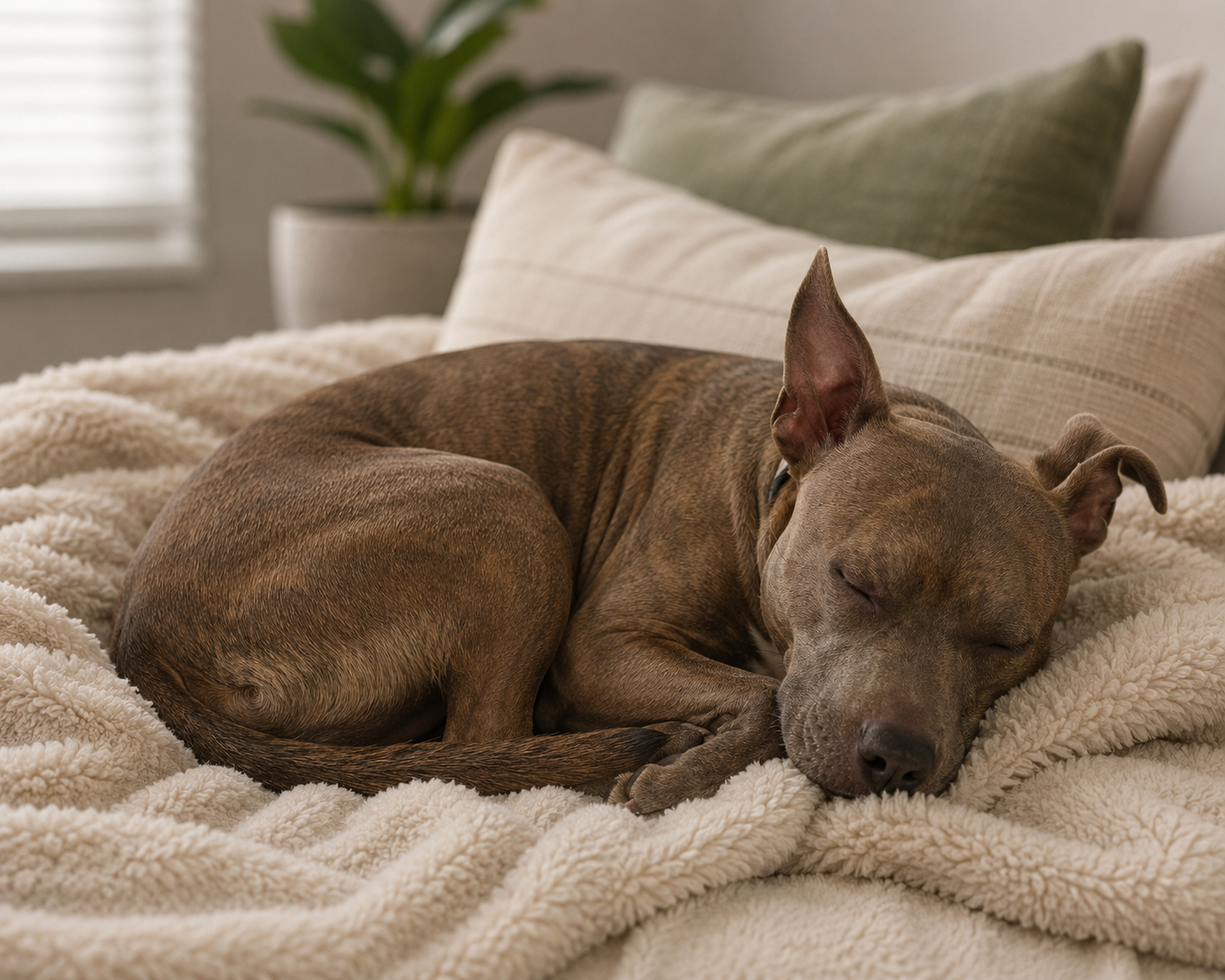
WHAT’S NORMAL?
Adjustment can look different for every dog.
The first few days and weeks can come with behaviors that seem unusual. Many are simply signs that your dog is processing a major change.
Sleeping More
A new environment can be mentally exhausting. Extra sleep is common during the adjustment period.
Eating Less
Stress can temporarily affect appetite. Some dogs need a little time before eating normally.
Following You Everywhere
Your dog may stay close while they learn who feels safe and what to expect.
Hiding or Staying Quiet
Some dogs prefer to observe from a distance before they feel comfortable interacting.
WHEN TO GET HELP
Know when something isn’t just adjustment.
Some changes are normal when a dog first comes home. Others may be a sign that they need a little extra support.
CALL YOUR VET
Refusing food, especially if accompanied by vomiting, diarrhea, lethargy, or other concerning symptoms.
GET BEHAVIOR SUPPORT
Severe fear that isn’t improving, panic when left alone, guarding, escalating aggression, or behavior that makes it difficult to safely manage your dog.
You know your dog best. If something feels wrong, it’s always okay to ask for help.
WEEK 2
Their personality may start to emerge.
As your dog begins to feel safer, you may start seeing more of who they really are. New behaviors can appear as they become more comfortable - and that doesn’t necessarily mean anything has gone wrong.
01 More Confidence
They may explore more, initiate play, seek attention, or become more interested in their surroundings.
02 New Behaviors
Jumping, barking, chewing, pulling, testing boundaries, or other behaviors may appear once your dog feels secure enough to express themselves.
Comfort changes behavior.
The dog you see in the first few days may not be the dog you see a few weeks later. Give their personality time to unfold.
03 Keep Things Consistent
Continue the routines and boundaries you established during the first week. Consistency helps your dog understand what to expect.
WEEKS 2-3
Slowly make their world bigger.
Your dog may be ready for new experiences - but more isn’t always better. Introduce things gradually and let their comfort level set the pace.
Watch your dog, not the calendar.
Every dog adjusts differently. If they seem overwhelmed, there’s no harm in slowing down and giving them more time.
01 Explore New Places
Try a new walking route or quiet environment. Keep outings short and positive at first.
02 Meet New People
Introduce people one at a time when possible. Let your dog choose whether and when to approach.
03 Build Training Into Daily Life
Practice simple skills like their name, recall, sit, and settling. Keep sessions short, positive, and rewarding.
04 Add Enrichment
Sniffing, food puzzles, chews, and simple games provide mental stimulation without overwhelming them.
WEEKS 3-4
You’re building a life together now.
By now, your dog may understand more of the household routine and feel increasingly comfortable being themselves. Keep building on that trust while helping good habits become lasting ones.
01 Keep Training
Continue practicing everyday skills and rewarding the behaviors you want to see. Short, positive sessions are often more effective than long ones.
02 Practice Independence
Help your dog learn that being apart is safe, too. Build alone time gradually rather than waiting until you need to leave for several hours.
03 Meet Their Needs
Balance physical exercise with sniffing, play, enrichment, chewing, and plenty of rest. A fulfilled dog needs more than just walks.
04 Keep Building Trust
Notice what your dog enjoys, what makes them uncomfortable, and how they communicate. Respecting those signals helps strengthen your relationship.
Progress doesn’t have to be perfect.
There may still be accidents, difficult walks, chewed belongings, nervous moments, or days when things feel harder. That doesn’t erase the progress you’ve made together.
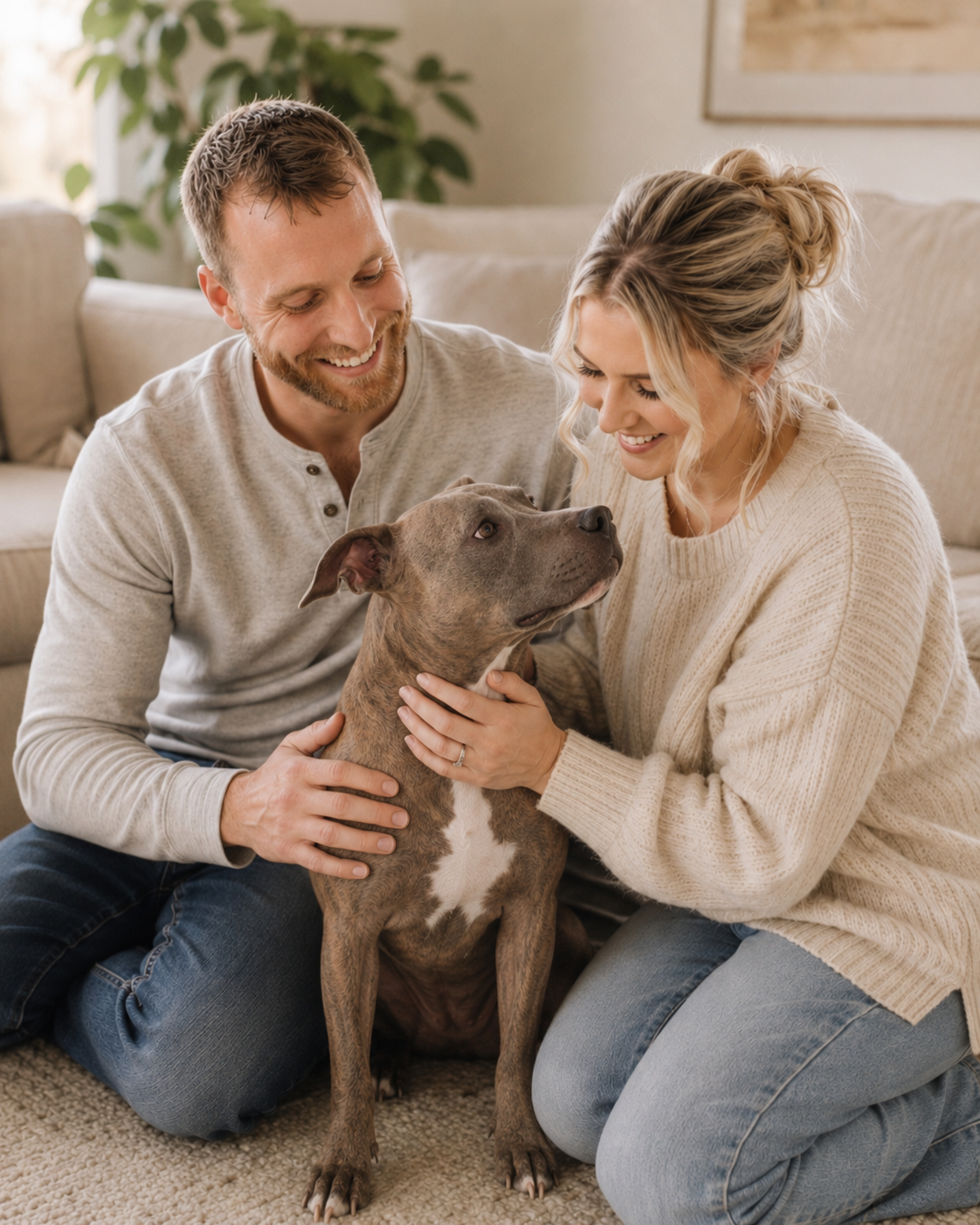
DAY 30 & BEYOND
30 days is only the beginning.
Your dog may feel completely at home by now - or they may still be figuring things out. There is no deadline for feeling safe, building trust, or becoming family.
Keep showing up.
Keep the routines that make them feel secure. Keep learning what they love, what they fear, and what helps them feel safe. Keep celebrating the small wins.
Bringing them home was just the first step. We’re here for everything that comes after.